
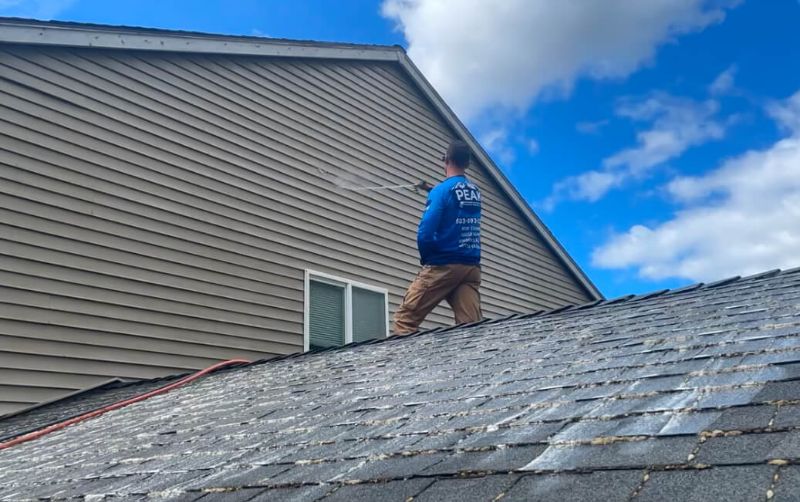
Why Tigard Homeowners Should Watch for Algae on North-Facing Roofs
/ Uncategorized / By Zach Francis
North-facing roofs receive minimal direct sunlight, so moisture lingers long after rain instead of evaporating. In Tigard, where annual rainfall exceeds 40 inches and humidity regularly tops 80%, that persistent dampness creates ideal conditions for Gloeocapsa magma to colonize your shingles. This algae doesn’t just discolor your roof—it actively degrades shingle integrity by consuming limestone filler and establishing root systems. Understanding exactly how this process unfolds can help you protect your home before serious damage sets in.
Key Takeaways
-
North-facing roofs receive less sunlight, creating persistent damp conditions that make them especially vulnerable to algae colonization in Tigard’s wet climate.
-
Tigard’s 40-plus inches of annual rainfall keeps roofs saturated, while humidity exceeding 80% accelerates algae growth between October and April.
-
Gloeocapsa magma embeds into asphalt shingles, consuming limestone filler and causing granule loss, brittleness, and accelerated shingle deterioration.
-
Algae root systems penetrate shingle layers over time, increasing chronic moisture retention and significantly raising the risk of interior roof leaks.
-
Early gray or greenish discoloration signals active algae growth, and prompt professional treatment prevents costly structural damage and premature roof replacement.
Why North-Facing Roofs Attract Algae Faster
North-facing roofs receive considerably less direct sunlight than their south-facing counterparts, which creates persistently damp, shaded conditions that algae thrive in.
Because sunlight is your roof’s natural drying mechanism, roof orientation directly determines how quickly moisture evaporates after rain or morning dew. On north-facing surfaces, that moisture lingers far longer, giving algae the sustained humidity it needs to colonize shingles.
Gloeocapsa magma, the most common roof algae species, embeds itself into asphalt shingles and begins breaking down the limestone filler that gives shingles their protective weight.
Once established, it spreads rapidly. Effective algae prevention requires recognizing that your roof’s directional exposure isn’t a minor detail — it’s the primary environmental factor driving biological growth and accelerating long-term shingle deterioration. Regular cleaning serves as preventative care to save costs and prolong your roof’s lifespan.
How Tigard’s Climate Makes the Problem Worse
Tigard’s climate creates near-perfect conditions for algae colonization on north-facing roofs. The region’s persistent rainfall keeps roof surfaces saturated for extended periods, while limited solar exposure prevents moisture from evaporating between storm cycles. Seasonal humidity compounds the problem further, sustaining the damp microenvironments that algae need to establish and spread rapidly across shingles. Regular roof cleaning, especially using soft washing techniques, can significantly mitigate algae growth and extend the life of your roofing materials.
Persistent Rainfall Accelerates Growth
Because Tigard sits within the Pacific Northwest’s marine climate zone, your roof contends with one of the most algae-favorable environments in the country. Tigard averages over 40 inches of annual rainfall, and that persistent moisture rarely allows roofing materials to fully dry between storms.
The rainfall impact on shingle surfaces is cumulative — each wet cycle deposits organic debris, softens surface granules, and extends the hydration window algae need to colonize and spread.
North-facing roof planes receive the least solar exposure, so they stay wet longest after each rain event. Without adequate drying time, algae establish root-like structures called rhizoids that penetrate shingle layers.
Effective algae prevention requires understanding this cycle — moisture retention, not just temperature, drives biological growth on your roof.
Limited Sunlight Retains Moisture
Rainfall frequency explains why algae spread so aggressively, but limited sunlight explains why they never fully retreat.
North-facing roof surfaces receive minimal sunlight exposure throughout the day, which means surface temperatures stay low and moisture retention remains high. Your shingles don’t get the solar heat needed to evaporate standing moisture after rain events.
That sustained dampness creates exactly the environment algae require to anchor, reproduce, and expand across your roof deck.
In Tigard’s overcast climate, even brief dry periods between storms don’t compensate for the structural disadvantage of a north-facing orientation.
You’re not dealing with occasional algae — you’re dealing with a roof surface that almost never fully dries.
Without intervention, that chronic moisture retention accelerates both biological growth and underlying shingle deterioration.
Seasonal Humidity Worsens Buildup
Seasonal humidity compounds the moisture problem that limited sunlight creates. Tigard experiences prolonged wet seasons where relative humidity regularly exceeds 80%, creating near-constant moisture saturation on north-facing roof surfaces.
These humidity effects accelerate algae colonization because spores don’t need standing water to germinate—atmospheric moisture alone sustains their growth cycles.
The seasonal impact is most aggressive between October and April, when Pacific weather systems push continuous moisture inland. During these months, your north-facing roof rarely dries completely between rain events.
Algae colonies establish deeper root systems, penetrating shingle surfaces and degrading protective granules faster than homeowners typically expect. By the time discoloration becomes visible, significant biological growth has already compromised surface integrity.
Tigard’s climate fundamentally extends algae’s active growth window well beyond what drier regions experience.
What Roof Algae Actually Does to Your Shingles
Roof algae doesn’t just stain your shingles—it actively degrades them. Gloeocapsa magma, the most common roof algae species, feeds on the limestone filler embedded in asphalt shingles. As it consumes this material, it accelerates shingle deterioration by weakening the structural integrity of each granule layer.
Those granules aren’t decorative—they deflect UV radiation and regulate surface temperature. Once algae strips them away, your shingles absorb more heat, become brittle, and crack prematurely.
You’re also looking at moisture retention. Algae colonies hold water against the shingle surface, promoting underlying rot and increasing the risk of leaks. In Oregon, high humidity supports year-round growth of moss, lichen, and mildew, making it even more crucial to address algae issues promptly.
Prioritizing algae prevention isn’t optional maintenance—it’s how you protect a significant roofing investment. Catching growth early on your north-facing slope prevents compounding damage that shortens your roof’s lifespan by years.
Early Warning Signs Tigard Homeowners Shouldn’t Ignore
Catching algae damage early means knowing what to look for before those dark streaks become a full-blown infestation.
On north-facing roofs, the first indicators are subtle. You’ll notice faint gray or greenish discoloration along shaded shingle edges, particularly near the ridge or beneath overhanging branches. Moisture retention causes shingles to look perpetually damp even after dry weather.
You might also spot early moss patches forming at granule-depleted zones, signaling accelerated biological growth. Regular maintenance and preventative measures can significantly reduce the likelihood of algae and moss proliferation.
These aren’t cosmetic issues you can defer. Implementing algae prevention tips and proactive roof maintenance strategies at the first sign of discoloration stops deterioration before it compromises structural integrity.
Inspect your north slope after each rainy season. What looks like minor staining today can indicate significant granule loss and shingle degradation already underway.
Can You Remove Roof Algae Without Damaging Shingles?
Removing roof algae without damaging shingles is entirely achievable, but only if you use the right method. High-pressure washing is the wrong approach — it strips granules, voids warranties, and accelerates shingle deterioration.
Instead, safe cleaning methods rely on low-pressure soft washing combined with EPA-compliant biocidal solutions that kill algae at the root level without mechanical abrasion.
These algae removal techniques work by chemically breaking down Gloeocapsa magma and other biological growth, allowing residue to rinse away naturally.
You’ll want to avoid bleach concentrations that exceed manufacturer guidelines, as overuse damages roofing materials and nearby vegetation.
Professional application guarantees correct dilution ratios, proper dwell time, and thorough rinsing — delivering effective results while preserving your shingles’ structural integrity and extending your roof’s overall lifespan. Additionally, regular maintenance enhances your home’s attractiveness and security, ensuring it stands out in the neighborhood.
When to Call a Professional Roof Cleaning Service
If your roof shows heavy black streaking, visible moss patches, or algae returning within a year of DIY treatment, it’s time to call a professional.
A qualified roof cleaning service will have the equipment, chemicals, and technique knowledge to treat algae without voiding your shingle warranty or causing surface damage.
When choosing a contractor, verify that they’re licensed, insured, and use low-pressure soft washing methods specifically designed for asphalt shingles.
Signs You Need Help
Sometimes algae growth reaches a point where DIY cleaning methods won’t cut it. Knowing when to call a professional protects your roof from further damage and guarantees proper algae identification before treatment begins.
Watch for these warning signs:
-
Widespread black streaking covering more than 30% of your roof surface, indicating deep algae colonization.
-
Soft or spongy shingles where algae and moss have compromised the structural integrity of roofing materials.
-
Recurring growth that returns within weeks of your DIY cleaning attempts, signaling an underlying moisture problem.
Following professional prevention tips after treatment extends your results considerably.
Peak Pressure Washing serves Tigard homeowners with targeted roof cleaning solutions that eliminate algae safely without damaging shingles or voiding manufacturer warranties.
Choosing the Right Professional
Hiring the right professional roof cleaning service requires more than a quick online search. You need to verify professional qualifications before committing to any contractor. Confirm they’re licensed, insured, and experienced with soft washing techniques specifically designed for algae-affected roofing materials.
Pressure washing a roof incorrectly strips granules and voids manufacturer warranties, so technical competence matters greatly.
When making service comparisons, request itemized quotes that specify cleaning methods, solutions used, and any follow-up treatments. Ask whether they apply post-treatment algae inhibitors to slow regrowth on your north-facing surfaces.
References and documented project history also indicate reliability.
Peak Pressure Washing serves Tigard homeowners with licensed, insured roof cleaning services built around eco-friendly practices and precise application methods that protect your roof’s integrity while eliminating algae effectively.
Frequently Asked Questions
Does Roof Algae Spread to Nearby Trees or Plants in My Yard?
Roof algae won’t directly threaten your yard’s plant health, but algae propagation occurs via airborne spores that can settle on nearby surfaces. You’ll want to address infestations quickly to minimize spread risks.
Will Homeowners Insurance Cover Algae-Related Roof Damage in Tigard?
Most insurers won’t cover algae-related roof damage since they classify it as neglected maintenance. Review your insurance policy options carefully, and apply algae prevention tips proactively to avoid costly, uncovered repairs to your Tigard home’s roof.
How Long Does a Professional Roof Cleaning Treatment Typically Last?
A professional roof cleaning treatment typically lasts one to three years, depending on your roof’s exposure and environment. You’ll maximize algae treatment effectiveness and extend roof cleaning frequency by applying preventive treatments and keeping surrounding trees trimmed regularly.
Are Algae-Resistant Shingles Worth the Extra Cost for Tigard Homes?
They’re worth it for shingle longevity in Tigard’s damp climate. Your cost analysis should weigh the premium against reduced cleaning frequency and extended roof life, especially on north-facing surfaces prone to accelerated algae growth.
Can Roof Algae Affect My Home’s Resale Value in the Portland Area?
Yes, roof algae can hurt your home’s resale value. It compromises property aesthetics, signaling neglected roof maintenance to buyers. You’ll likely face lower offers or demands for costly remediation before closing the sale.
Conclusion
Don’t let algae silently compromise your Tigard home’s roof. North-facing surfaces will always attract more moisture, and Oregon’s climate won’t let up—so staying proactive isn’t optional, it’s essential. You’ve learned to recognize the warning signs, understand the structural risks, and know when professional intervention is necessary. Act before discoloration becomes deterioration. Schedule regular inspections, address growth early, and you’ll notably extend your roof’s functional lifespan while avoiding costly structural repairs down the road.