
How Healthcare Facilities Maintain Hygienic, Professional Exteriors
/ Uncategorized / By Zach Francis
Healthcare facilities maintain hygienic, professional exteriors by combining scheduled pressure washing, routine disinfection of high-touch surfaces, and documented cleaning protocols that align with infection control standards. You’ll need to address entryways, parking lots, sidewalks, and building facades on a consistent frequency — daily, weekly, or quarterly — depending on traffic and exposure levels. Selecting contractors who understand healthcare-specific compliance requirements guarantees your exterior stays audit-ready year-round. Keep exploring to see exactly how each component works together.
Key Takeaways
-
Exterior cleanliness is tied to regulatory compliance, keeping facilities audit-ready and minimizing infection control deficiencies year-round.
-
High-touch surfaces like door handles, elevator buttons, and handrails require scheduled disinfection using EPA-registered antimicrobial agents.
-
Routine pressure washing of parking lots, entryways, and sidewalks prevents microbial buildup and reduces contamination transfer risks.
-
Cleaning frequency should match patient volume, with daily entryway cleaning and quarterly maintenance for facades and parking structures.
-
Hiring licensed, insured pressure washing contractors experienced in healthcare standards ensures compliance without disrupting facility operations.
Why Healthcare Exterior Cleanliness Is a Compliance Issue
Healthcare facilities face exterior cleanliness standards that go beyond aesthetics—they’re tied directly to regulatory compliance. Accreditation bodies like The Joint Commission and state health departments evaluate facility conditions holistically, and that includes exterior surfaces. Algae, mold, and biological buildup on walkways, entryways, and building facades can signal deficiencies in infection control protocols.
You’re responsible for ensuring that contaminants don’t migrate from exterior surfaces into patient care environments. Dirty entryways, biofilm-covered walkways, and moss-laden rooftops aren’t just visual liabilities—they’re documented compliance risks. Inspectors assess whether your facility demonstrates consistent maintenance practices across all areas.
Failing to address exterior cleanliness can result in citations, failed audits, or reputational damage. Treating exterior maintenance as a compliance function—not just a cosmetic one—keeps your facility audit-ready year-round.
High-Touch Surfaces That Require Frequent Sanitizing
When managing a healthcare facility’s exterior, you must prioritize frequent sanitizing of high-touch surfaces that accumulate pathogens rapidly.
Door handles, handrails, and elevator buttons and panels receive constant contact from patients, staff, and visitors, making them primary vectors for cross-contamination.
You’ll also need to establish structured cleaning protocols for shared seating areas, where prolonged contact and surface porosity create additional infection risks.
Door Handles And Rails
Door handles, push plates, and handrails rank among the highest-touch surfaces in any healthcare facility, accumulating pathogens from dozens—sometimes hundreds—of contacts per hour.
Maintaining door handle hygiene requires scheduled disinfection cycles using EPA-registered antimicrobial agents compatible with metal, polymer, and coated finishes. You should document each cleaning interval to guarantee compliance with infection control protocols.
Rail sanitation demands equal rigor. Horizontal grab rails trap oils, moisture, and microbial residue along their full length, requiring top-surface and underside treatment during every cleaning cycle.
Designate color-coded microfiber cloths to prevent cross-contamination between zones. Audit high-traffic entry points more frequently during peak patient hours.
Consistent, documented sanitation of these contact surfaces directly reduces pathogen transmission and supports your facility’s broader infection prevention strategy.
Elevator Buttons And Panels
Elevator buttons and panels concentrate pathogen load into some of the smallest surface areas in your facility, making them disproportionately high-risk relative to their size. Every button press transfers bacteria, viruses, and contaminants onto surfaces that dozens—sometimes hundreds—of people contact daily.
Effective elevator hygiene requires scheduled disinfection protocols using EPA-registered agents compatible with button panel materials, preventing corrosion or finish degradation over time.
You’ll need to document cleaning frequency, assign responsibility to specific staff, and validate disinfectant contact times to guarantee pathogen elimination.
Don’t overlook panel edges, indicator lights, and call buttons at multiple height levels. Consistent surface maintenance across all elevator touchpoints reduces cross-contamination risk and demonstrates your facility’s commitment to infection control standards that patients, visitors, and staff legitimately expect.
Shared Seating Areas
Shared seating areas present a persistent infection control challenge because they combine high occupancy turnover with surfaces that contact clothing, skin, and hands continuously throughout the day.
You’ll need to implement structured sanitizing rotations that address armrests, seat edges, and frame joints where pathogens accumulate between occupants. Material selection directly impacts your protocol’s effectiveness — nonporous upholstery and powder-coated metal frames allow faster disinfectant application and drying cycles.
Don’t overlook exterior shared seating positioned near facility entrances, as environmental contaminants compromise both hygiene standards and exterior aesthetics.
You should document each sanitizing cycle to maintain compliance records and identify high-frequency zones requiring increased attention.
Systematic scheduling, combined with staff accountability measures, guarantees your shared seating consistently meets infection prevention benchmarks without disrupting patient flow.
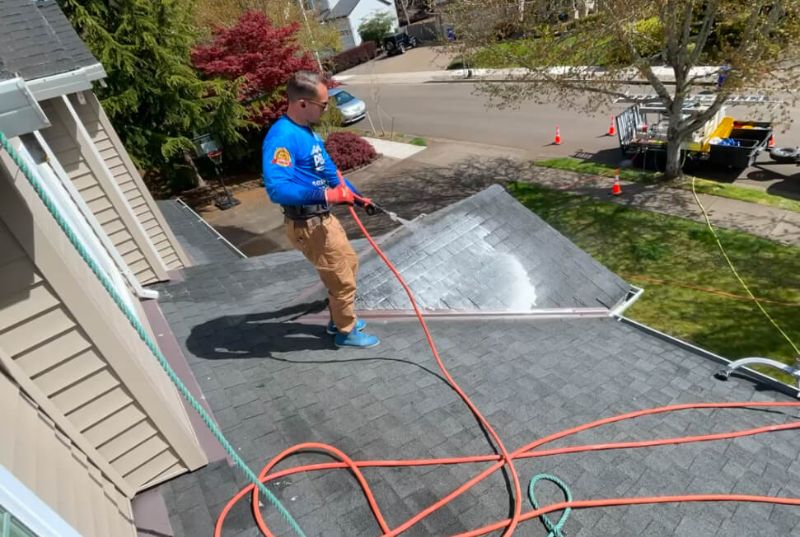
How Professional Pressure Washing Removes Biohazard Buildup
Healthcare exteriors accumulate biohazard buildup fast—mold, algae, bacteria, and organic waste embed into porous surfaces and spread without intervention.
Professional pressure washing applies targeted biohazard removal through systematic cleaning techniques that eliminate contamination at the source.
Here’s how the process works:
-
Pre-treatment application — Technicians apply EPA-approved biocidal solutions that break down organic matter, neutralizing bacteria and mold colonies before washing begins.
-
High-pressure extraction — Calibrated pressure removes embedded contaminants from concrete, brick, and siding without surface degradation.
-
Post-treatment rinse — A final sanitizing rinse eliminates residual biological material, preventing recontamination.
You’re not just cleaning surfaces—you’re eliminating active biological hazards.
Additionally, compliance with environmental regulations ensures that the cleaning process adheres to safety and eco-friendly standards.
Skipping professional intervention allows pathogens to spread across entry points, walkways, and shared exterior zones your patients and staff contact daily.
Parking Lots, Entryways, and Sidewalks: The First Line of Defense
Your healthcare facility’s parking lots, entryways, and sidewalks absorb daily contamination from vehicle fluids, foot traffic, and environmental pollutants that accumulate into serious biohazard risks.
These high-traffic surfaces collect blood, bodily fluids, and pathogens tracked in by patients, staff, and visitors, making them active transmission points before anyone even enters your building.
You can’t afford inconsistent cleaning schedules here—routine pressure washing on a structured timeline keeps microbial buildup from compounding and prevents contaminants from migrating indoors. Additionally, proper drainage ensures that any water pooling does not contribute to further contamination risks.
High-Traffic Contamination Risks
Parking lots, entryways, and sidewalks function as primary contamination transfer zones in healthcare settings, where foot traffic, vehicle exhaust, oil leaks, and biological debris accumulate rapidly.
Understanding contamination sources and traffic patterns helps you address risks systematically before pathogens migrate indoors.
Three critical high-traffic contamination risks include:
-
Vehicle fluids — oil, coolant, and exhaust residue deposit onto parking surfaces, creating chemical contamination that foot traffic tracks directly into clinical spaces.
-
Biological debris — bodily fluids, used PPE, and organic matter accumulate near entryways, accelerating microbial growth.
-
Environmental buildup — algae, mold, and moisture retention on sidewalks create slip hazards and bacterial colonies that compromise exterior hygiene standards.
Routine pressure washing directly targets these zones, disrupting contamination cycles before they escalate into measurable infection risks.
Regular Cleaning Schedules Matter
Establishing a consistent cleaning schedule transforms parking lots, entryways, and sidewalks from passive contamination zones into actively managed barriers against pathogen transfer.
Your cleaning frequency should align with patient volume, seasonal conditions, and surface exposure levels. High-traffic entryways typically require daily attention, while parking lots and sidewalks benefit from weekly or bi-weekly service cycles.
Effective maintenance strategies integrate both reactive spot cleaning and scheduled deep cleaning protocols. You’ll want to document each service cycle, tracking contamination patterns and surface degradation over time.
This data-driven approach lets you adjust frequency before problems escalate. Neglecting structured scheduling allows biofilm, algae, and organic debris to accumulate rapidly, undermining infection control efforts.
Consistent exterior maintenance isn’t optional for healthcare facilities — it’s a direct extension of your internal hygiene standards.
How Often Should Healthcare Facilities Schedule Exterior Cleaning?
How frequently you schedule exterior cleaning for a healthcare facility depends on patient traffic, environmental exposure, and surface type.
Applying smart scheduling strategies guarantees surfaces stay compliant, presentable, and free from harmful biological buildup.
Use this cleaning frequency framework as your baseline:
-
Monthly – High-traffic entryways, walkways, and patient drop-off zones requiring consistent sanitation and debris removal.
-
Quarterly – Building facades, parking structures, and dumpster enclosures exposed to moderate environmental contaminants.
-
Annually – Roofing systems, gutters, and upper exterior surfaces where moss, algae, and sediment accumulate over time.
Adjust this schedule based on seasonal conditions, such as Portland’s wet winters accelerating moss and algae growth. Additionally, regular pressure washing can help combat moisture-related damage, ensuring that cleaning is effective and thorough.
Facilities surrounded by heavy tree coverage or near high-pollution corridors may require more aggressive cleaning frequency intervals.
Choosing a Pressure Washing Company That Meets Healthcare Standards
Not every pressure washing company has the expertise or operational standards required to work on healthcare properties. When evaluating contractors, you’ll need to verify that they understand pressure washing standards specific to sensitive environments and can demonstrate compliance with relevant healthcare regulations.
Look for companies that are licensed, insured, and experienced with commercial properties that require strict contamination control. Ask whether they use eco-friendly, low-toxicity cleaning agents that won’t compromise patient safety or air quality near ventilation intakes.
Confirm they can work within scheduled maintenance windows to avoid disrupting daily operations. Additionally, ensure that they can communicate concerns about delicate surfaces to maintain the integrity of your healthcare facility’s exterior.
Peak Pressure Washing brings the professional expertise, commercial experience, and attention to detail that healthcare facilities demand. Their systematic approach guarantees your exterior gets cleaned thoroughly while maintaining the operational and safety standards your facility requires.
Frequently Asked Questions
Can Exterior Cleaning Disrupt Daily Patient Traffic or Facility Operations?
You can minimize disruptions by coordinating cleaning schedules during off-peak hours, ensuring patient flow remains uninterrupted. Professional crews work systematically around your facility’s busiest periods, maintaining operations while delivering thorough, efficient exterior cleaning results.
What Cleaning Chemicals Are Safe Near Healthcare Facility Air Intakes?
You’ll want to use pH-neutral, low-VOC safe cleaning agents near air intakes. Prioritize air quality considerations by avoiding bleach-heavy solutions, and you should always seal or redirect intakes before applying any cleaning chemicals.
Does Exterior Cleaning Help Reduce Pest Infestations Around Medical Buildings?
Yes, regular exterior cleaning supports pest prevention by eliminating organic debris, moisture buildup, and algae that attract insects and rodents. You’ll strengthen your building maintenance program while reducing harborage conditions around your medical facility’s foundation and entry points.
Are There Insurance Requirements Specific to Healthcare Exterior Cleaning Contracts?
Yes, you’ll typically find stricter insurance coverage thresholds in healthcare exterior cleaning contract terms, often requiring higher liability limits, proof of workers’ compensation, and compliance with facility-specific risk management protocols before work begins.
How Does Weather in Portland Affect Healthcare Exterior Cleaning Schedules?
Portland rain directly impacts your scheduling. You’ll need seasonal planning to avoid wet surfaces that delay treatments. Schedule exterior cleaning in drier months—late spring through early fall—to guarantee proper chemical adhesion and surface drying at healthcare facilities.
Conclusion
Your facility’s exterior isn’t just a first impression — it’s an extension of your clinical standards. By prioritizing compliant cleaning schedules, targeting high-touch surfaces, and partnering with qualified pressure washing professionals, you’re actively protecting patients, staff, and your organization’s reputation. Don’t treat exterior maintenance as an afterthought. Build it into your facility’s systematic hygiene protocols, document your cleaning cycles, and hold your service providers to the same rigorous standards you’d apply inside your walls.